

Every spring, I hear the same thing from patients and friends:
“I want to start a garden… I just don’t know where to begin.”
If that’s you, you’re not alone—and the good news is, it doesn’t have to be complicated.
In fact, the best way to start a garden is to keep it simple, small, and realistic.
🌿 Start Small (This Matters More Than You Think)
One of the biggest mistakes beginners make is trying to do too much too fast.
You do not need a big backyard garden to get started.
Instead:
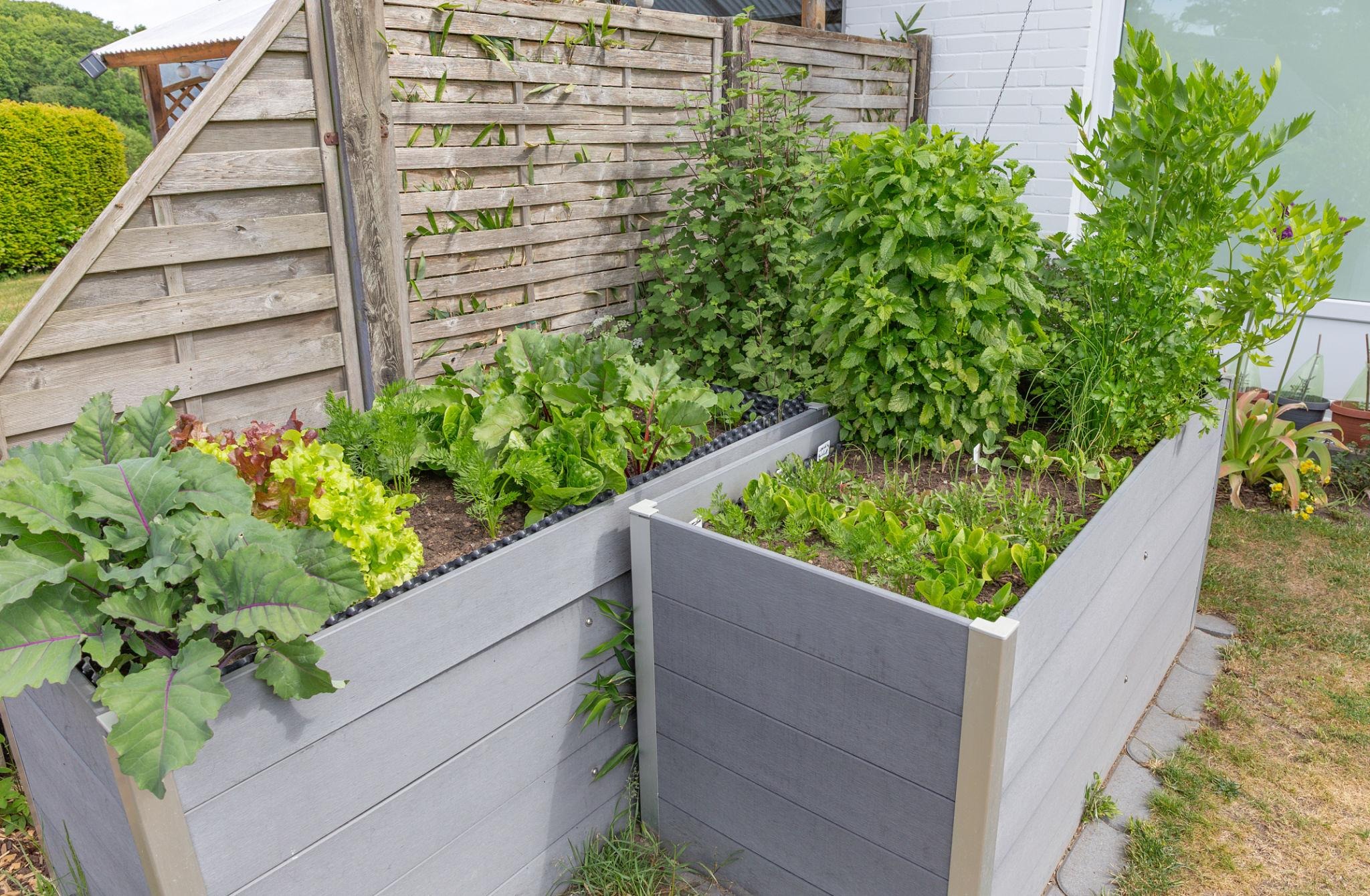
- Start with one raised bed
- Choose just a handful of plants
- Focus on learning the process this first season
A small, successful garden builds confidence. A big, overwhelming one often leads to burnout.
🪴 Why I Recommend Raised Beds for Beginners
Raised beds are one of the easiest ways to set yourself up for success.
Here’s why:
- You control the soil quality (instead of guessing what’s already in the ground)
- Better drainage means fewer plant issues
- Fewer weeds to manage
- Easier on your back and joints
For most beginners, this removes a lot of the guesswork and frustration.
📏 What Size Should You Start With?
The goal is manageable—not massive.
Ideal beginner sizes:
- 4 ft x 4 ft → simple and very manageable
- 4 ft x 8 ft → a little more space, still beginner-friendly
Why this works:
- You can reach everything without stepping into the bed
- It gives you enough space for variety without being overwhelming
Depth:
Aim for 10–18 inches deep for most vegetables
🧱 How to Fill Your Raised Bed (Layering Matters!)


This is one of the most important (and often overlooked) steps.
You don’t need to fill your entire bed with expensive garden soil. Instead, think in layers—this helps with drainage, saves money, and improves soil health over time.
👉 Simple layering method:
Bottom layer (filler + drainage):
- Cardboard (to block weeds)
- Sticks, branches, or small logs
- This creates airflow and reduces how much soil you need
Middle layer (organic material):
- Leaves
- Grass clippings
- Straw or untreated yard waste
This layer will break down over time and feed your soil.
Top layer (the most important):
- High-quality garden soil + compost mix
This is where your plants will grow, so don’t cut corners here.
💡 Easy rule of thumb:
- Bottom: bulky + cheap
- Middle: organic + decomposing
- Top: nutrient-rich + plant-ready
⚠️ A few quick tips:
- Avoid treated wood, glossy paper, or anything with chemicals
- Expect the bed to settle over time (that’s normal)
- You may need to top it off with compost each season
🔨 Should You Buy or Build?
Both options work—this comes down to preference.
Buy a raised bed if:
- You want something quick and easy
- You prefer a clean, finished look
- You don’t want to deal with tools
Build your own if:
- You enjoy DIY projects
- You want to save money
- You want a custom size
If building, keep it simple:
- Use untreated wood like cedar or pine
- A basic rectangular frame is more than enough
🌱 What Should You Grow First?


Start with 5–6 plants max your first season.
Easiest options:
- Lettuce
- Spinach
- Kale
Quick wins (fast-growing):
- Radishes
- Green beans*** (3+ seeds planted)
- Green Onions (hack, save the white parts next time you buy them at the store, then plant them in soil. Only cut down to the white part and they will keep growing back year after year).
Classic beginner plants:
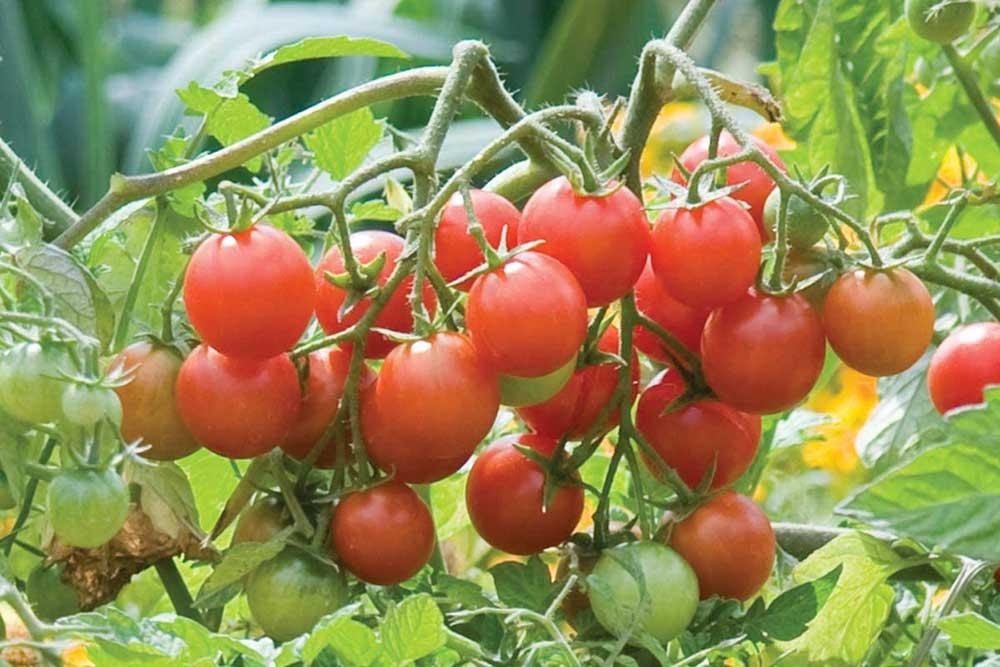
- Cherry tomatoes*** (1 plant)
- Peppers*** (2-3 plants)
- Cucumbers (use a trellis if possible)*** (only one plant or two seeds)
Herbs (great place to start):
- Basil
- Parsley
- Mint (keep this one contained—it spreads quickly!) — be careful because it is also a weed! ***
My personal favorites are Green Beans, Cherry tomatoes, peppers, cucumbers and mint. Rule of thumb, if you don’t like it, don’t plant it!
☀️ A Few Simple Tips
- Choose a spot with 6–8 hours of sunlight
- Water consistently (this is where most beginners struggle)
- Don’t worry about doing everything perfectly (because you won’t), it's a continuous learning process so enjoy the journey
Gardening is something you learn by doing.
💭 Final Thought
If you’re just getting started, here’s the mindset I want you to have:
Start with one bed. Grow a few things. Learn as you go.
That’s it.
You don’t need perfection—you just need progress.
Gardening is more than just a hobby.
It’s a simple, powerful way to:
- Connect with your food
- Spend time outdoors
- Reduce stress
- Support your overall health
And sometimes, the smallest habits are the ones that make the biggest difference.